For therapists, psychologists and doctors with a practice of their own
What you explain every day, written once.
A book with your name on it about what you know and how you explain it. Written in your voice, reviewed by you, published and distributed.
12
Twelve of the Dreams Magnet imprint’s titles, in Spanish, are in health and dentistry. We know how to work with the rigor a health book demands and with the language a reader outside the field needs.
Health and dentistry


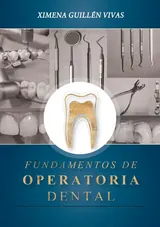





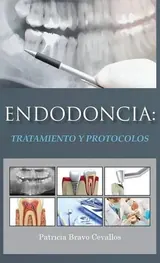



You’re a therapist, psychologist or doctor, you want to publish a book on what you know, and you don’t have time to write it. You don’t write it. You talk across ten one-hour interviews about what you explain every week in your practice. A named editor writes it in your words, you review every chapter, including all clinical content, and the book goes on sale on Amazon, Barnes & Noble and bookstores with your name. It’s a book for patients and families, not a textbook. The first step is the free 45-minute Author Assessment.
It’s six in the evening and you’re giving the same explanation for the fourth time today. Why anxiety doesn’t give way to willpower. Why the plan takes the time it takes. Why there’s no shortcut.
You explain it well, with patience, and tomorrow you’ll explain it again. You have years of practice and your own way of making the complex clear. That way isn’t written down anywhere.
A book with your name on it gives that explanation once, done right. The client arrives having read it, and the first session starts further along. The colleague who refers you has something to hand over. And the person looking for help finds, among a thousand videos, a book you signed.
Against what
The enemy is the session that starts from zero, and the client who arrives with what they saw in a thirty-second video.
What book comes out of your work
- The guide to your approach: what every client should know before the first session.
- The questions you always get: the twenty people ask you every week, answered with your judgment.
- How you work: the approach that sets you apart, explained for someone outside the field.
A book for each practice
- Therapists and psychologists: your approach in plain words, so the person who books already knows how you work.
- Doctors: the explanation you give ten times a day, and the one a patient needs before deciding.
- Dentists and nutritionists: the judgment that sets your practice apart from the advice that circulates online.
Note: the book doesn’t replace care or therapy, and gives no individual advice. We handle that with you in the architecture.
How your book gets made
- The Author Assessment. Twelve questions and 45 minutes with an editor, at no cost. Within 48 hours you get a written answer on whether there’s a book, and which package fits.
- The interviews. We ask for the explanations you repeat, the questions you always get and the myths you correct every week. No client or patient goes in with details that identify them.
- The writing. Your editor writes each chapter from your transcribed interviews. You review it twice, and your editor signs the copyright page.
- The book, in your practice. It comes out in print and ebook. You recommend it before the first appointment, keep it in the waiting room and hand it to the colleagues who refer you.
Where your book works
- Before the first appointment: the client arrives knowing the basics, and the session starts further along.
- After the session: the family reads at home what they didn’t get to ask.
- With colleagues: whoever refers you has something concrete to hand over.
What the book doesn’t do
- It doesn’t replace care or therapy, and it gives no individual advice. We say so in the book.
- It says nothing clinical that you haven’t reviewed and approved.
A health book, chapter by chapter
- What the patient believes before arriving.
- What it is, in plain words.
- Why it happens. The causes that matter and the ones that don’t.
- How it’s diagnosed, and what to ask in the appointment.
- The treatment or support options, and what to expect from each.
- The myths you correct every week.
- What depends on the patient and what doesn’t.
- When to seek care right away.
- Questions from patients and families, answered.
It’s an example. Your book’s outline comes from your interviews, and you approve it in the architecture, before a line is written. The book gives no individual advice, and you review every chapter.
The package that usually fits
Intelligent Author: ten hours of interviews fit in your calendar; writing two hundred pages doesn’t.
Frequently asked questions
Who reviews the clinical content?
You do. Nothing is published without your approval, chapter by chapter, in two rounds.
Can I include client stories?
Only without details that identify anyone, and decided with you before writing.
Who edits my book in English?
A named editor who works in English, assigned by topic and schedule. Their name is in your proposal, and you meet them before your first interview.
Is it okay with my licensing board?
A book that explains your field to the public isn’t treatment, but rules differ by state and by license. Check yours before publishing; if anything needs adjusting, we adjust it in review.
What kind of book works best?
A book for the public: written for patients and their families, with your judgment and in plain language. We don’t do textbooks or academic books.